Matterport captures it. Treedis puts it to work.
A strategic Matterport partnership unlocks the power of the digital twin — Matterport builds the photorealistic capture, Treedis turns it into the place where daily operations run.
Built on the leading twin platform
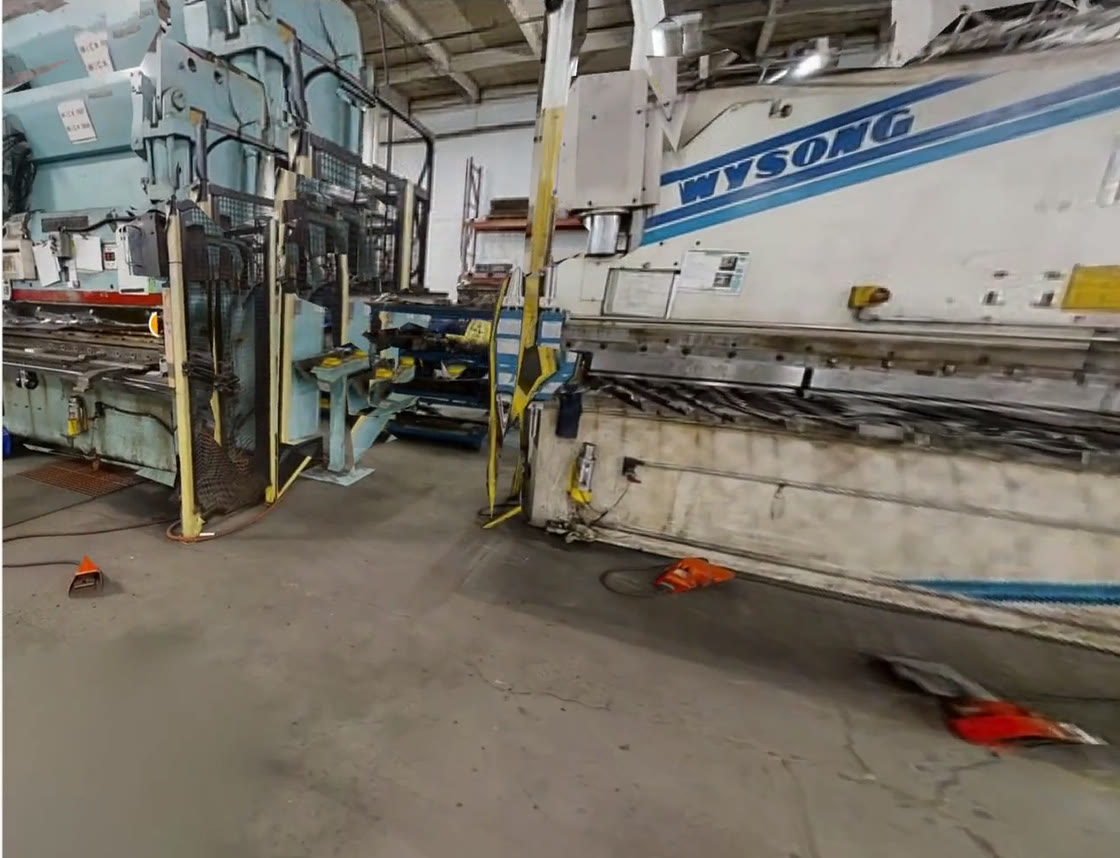
Treedis is a certified Matterport partner — every DFW space starts as a Matterport capture.
From picture to workplace
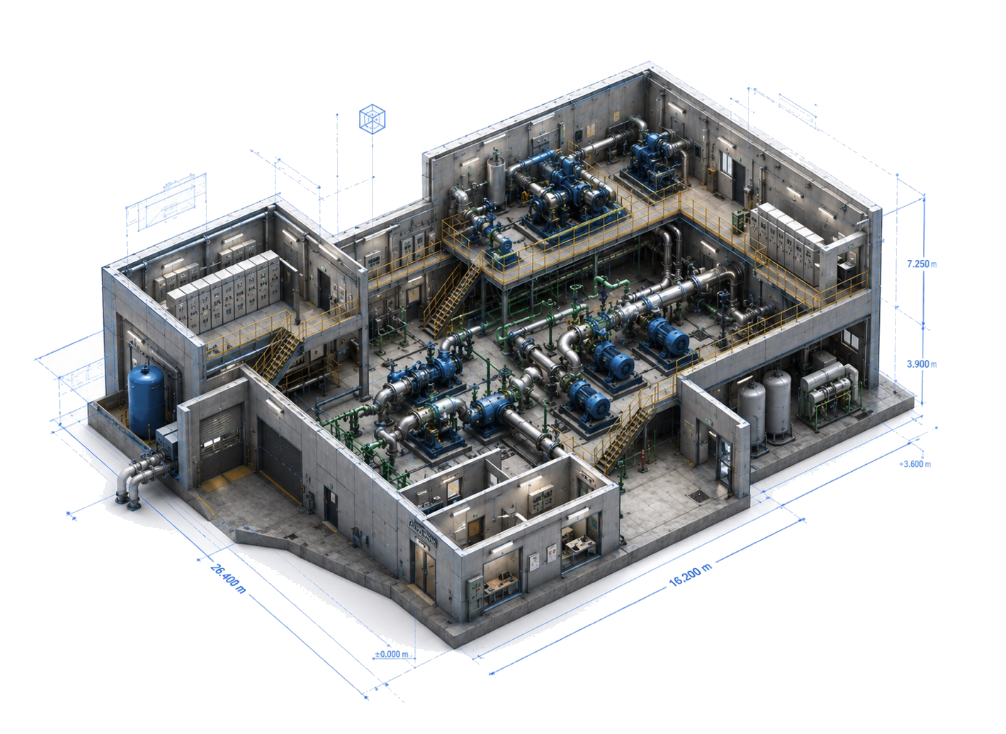
On its own, a twin shows the space. Treedis layers work orders, live data, procedures and AI on top of it.
Proven at enterprise scale
The same stack already runs with some of the world's largest organisations.





 Treedis

What Treedis puts inside a digital twin
Maintenance
Work orders, asset history and procedures, opened on the asset itself.
Knowledge
Manuals, submittals and training material, pinned where the equipment stands.
Operations
Live sensor readings and threshold alerts on the 3D tag.
Engineering
Drawings and P&IDs tied to physical locations, relationships mapped.
Safety
Permits, hazards and checks anchored to the space they govern.
Augmented Reality
All of it visible on site, overlaid onto the physical environment.
TAI — the layer that reads the building for you
One AI layer trained on your twin, your documents and your procedures — six ways to put it to work, from building the twin to answering the technician standing in front of the pump.
Talks to your team
Ask where an asset is and it walks you there in 3D. Describe a fault and it drafts the work order — on desktop or on a phone in the field, in the worker's own language.
Captures your know-how
Drop in a document, or a video of an expert doing the job, and TAI turns it into step-by-step work instructions anchored to the exact asset in 3D — before that knowledge walks out the door.
Builds the twin itself
Point it at a 3D scan and it recognises the equipment and links it to your asset registry automatically — matching "Pump P-101" to "Centrifugal pump 101" on its own. New spaces arrive already tagged.
Anticipates what's next
TAI watches your operations and, when something's wrong, recommends the next action with the evidence behind it: the alert, the trend, the history, the procedure.
Sees what you see
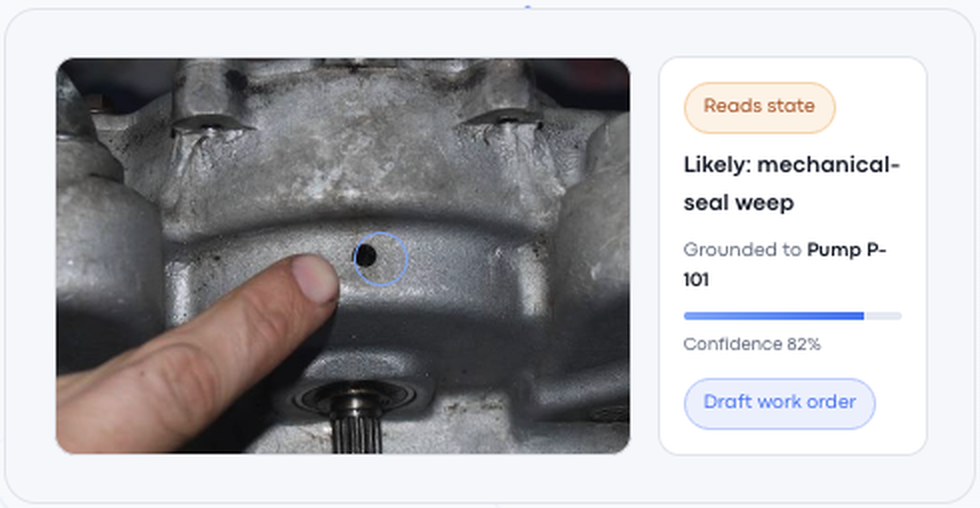
Show TAI a photo of a leak, a gauge, a worn part. It reads the real-world state, grounds it to the right asset in the twin, and tells you what it likely means.
Grounded in the real world
The same intelligence, on the floor. Through the AR app a technician looks at the actual pump and TAI knows which one it is, what's open on it, and what the procedure says to do next.